




















Seoul Travel Guide 2026: Where to Stay, Winter, Transport
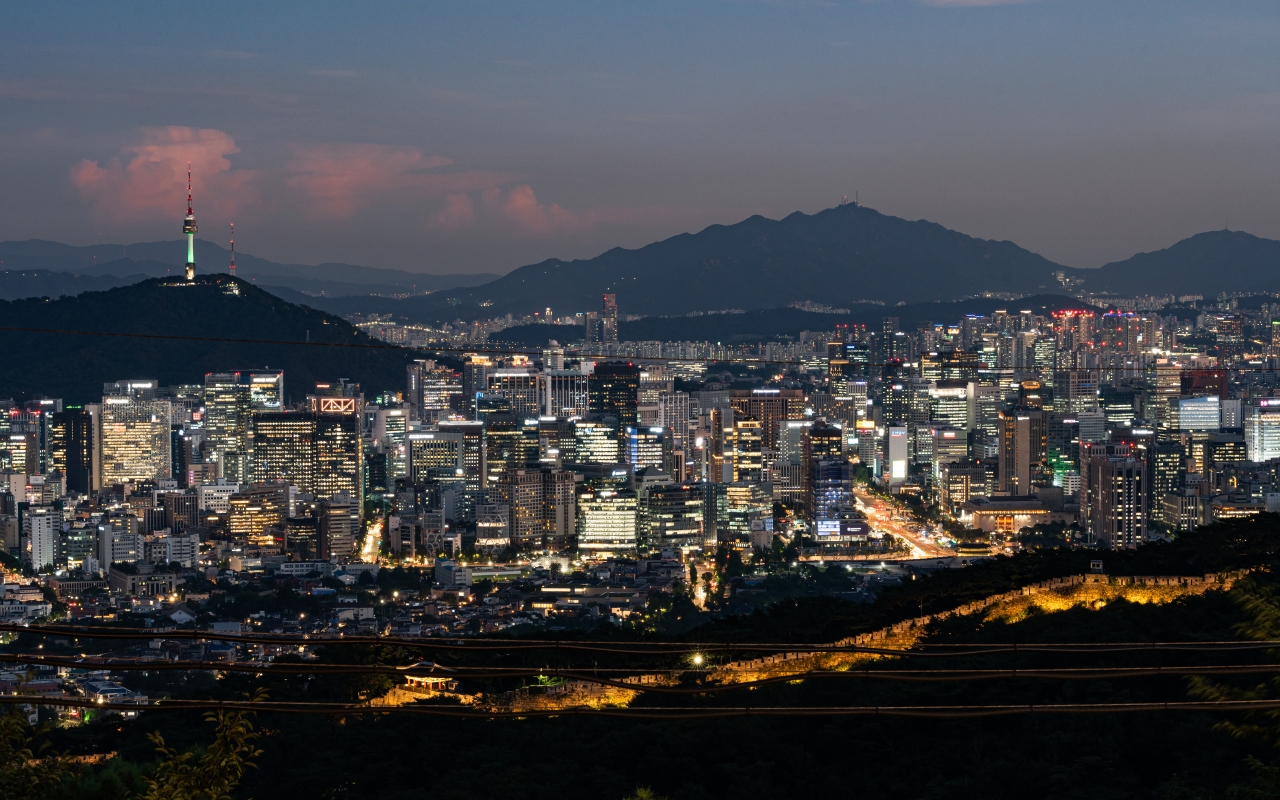
Seoul (서울) is South Korea's capital: about 9.3 million registered residents (October 2026) in 25 districts on both banks of the Han River. From Incheon Airport, the AREX express train reaches Seoul Station in about 43 minutes for ₩13,000, or the all-stop train in about an hour for ₩4,750 with a transit card. Most first-time visitors stay in Myeongdong, Hongdae or Insadong, and three or four days covers the palaces, Namsan, a market and the Han River.
In winter 2026–27, the official site lists the Seoul Winter Festival from 11 December 2026 to 31 January 2027 (dates may still change), with lanterns on the Cheonggyecheon stream and a market on Gwanghwamun Square; January averages −1.9 °C. Gyeongbokgung closes on Tuesdays, and Changdeokgung, Changgyeonggung and Deoksugung on Mondays.
Korea › Seoul
Size: about 9.3 million registered residents (end of October 2026, Korean residents only), 605 km², 25 districts (gu)
From the airport: AREX express to Seoul Station ₩13,000, about 43 min from Terminal 1; all-stop train ₩4,750 with a transit card
Where to stay: Myeongdong (shopping, Seoul Station two stops away), Hongdae (nightlife, airport train), Insadong (palaces on foot)
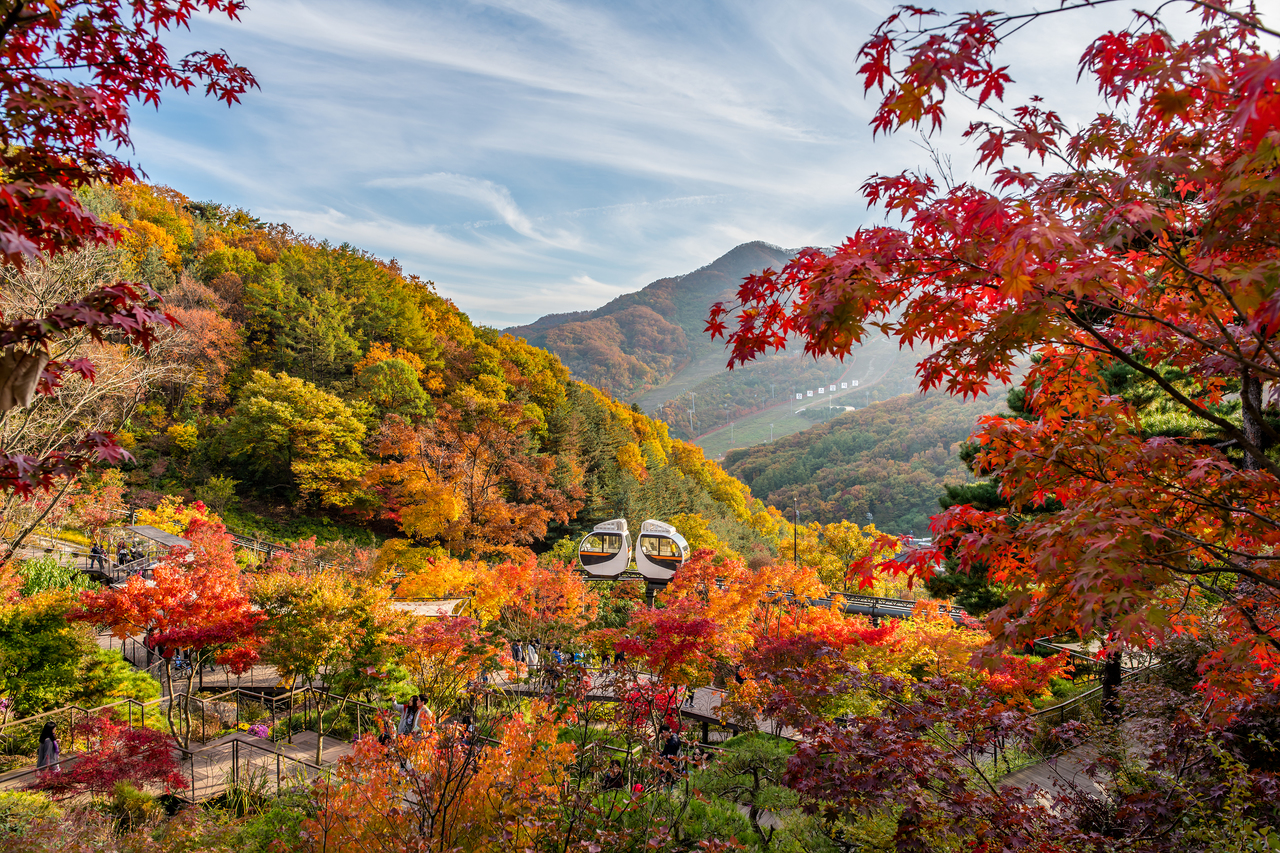
Best seasons: early April for cherry blossoms (normal flowering 8 April; 29 March in 2026) and late October for autumn colour; winter is cold and dry
Closed days: Gyeongbokgung and Jongmyo on Tuesdays; Changdeokgung, Changgyeonggung and Deoksugung on Mondays
Eat this here: seolleongtang ox-bone soup, Pyongyang naengmyeon, bindaetteok at Gwangjang Market, tteokbokki in Sindang-dong
Checked 10 November 2026 with the sources at the end.
This guide covers Seoul in brief: a very short history, the hard years, food and old restaurants, stars from Seoul, the city on screen, ideas for couples and families, Seoul in winter, where Korea remembers its friends, the districts with our detailed guides, three places to stay, getting around, and what to watch out for. Tap a tab or open a box to read more.
In this guide
- Map
- A very short history
- Hard times and the people who lived them
- Food and old restaurants
- Stars from Seoul
- On screen: shows, films and K-pop
- For couples and families
- Seoul in winter
- Where Korea remembers its friends
- Districts
- Where to stay: three bases
- Getting here and around
- Watch out, and outdated tips
- Quick answers and FAQ
Map
Ten places with a full Korea Routes guide; the winter lanterns start at Cheonggye Plaza, between 1 and 5, and the Gocheok Sky Dome is further west in Guro-gu. Tap a number for its name and the link.
Map © OpenFreeMap, data © OpenStreetMap contributors. Use Naver Map or KakaoMap for directions in Korea.
A very short history
| Year | What happened | Where to see it |
|---|---|---|
| 18 BCE – 475 | Baekje has its capital, Hanseong, on the south bank of the Han; Goguryeo takes it in 475 | Mongchon earthen wall (in Olympic Park) and Pungnap earthen wall, Songpa-gu |
| 1394–95 | King Taejo moves the Joseon capital to Hanyang and builds Gyeongbokgung; Hanyang stays the capital for about 500 years | Gyeongbokgung, Gwanghwamun |
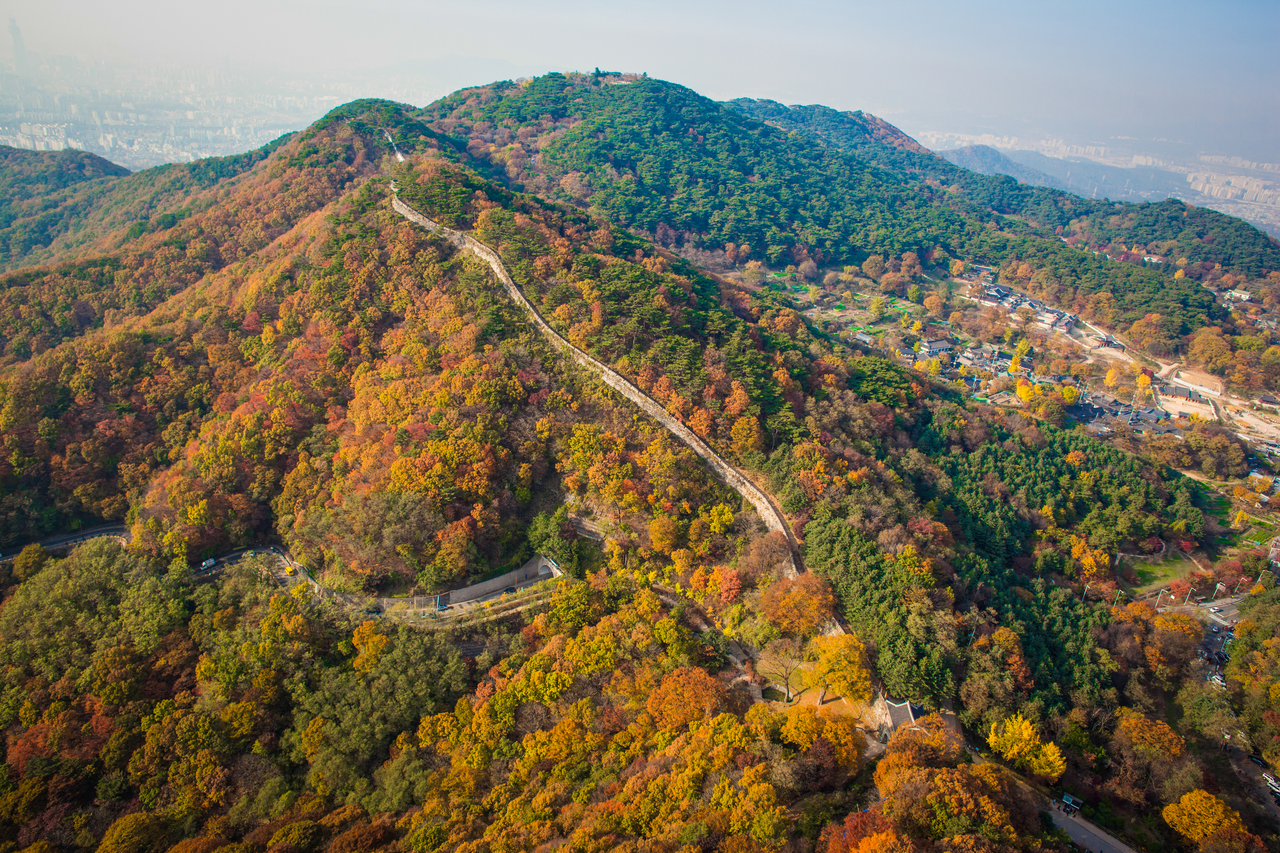
| 1396–98 | An 18.6 km city wall is built around the capital | Naksan section, Heunginjimun |
| 1592 | The palaces burn in the Imjin War; Gyeongbokgung lies empty for about 270 years and Changdeokgung is rebuilt first (1610) | Changdeokgung, Gyeongbokgung (rebuilt 1865–67) |
| 1897 | Gojong is enthroned as emperor at Hwangudan and the country becomes the Korean Empire | Deoksugung, Hwanggungu |
| 1910–45 | Colonial rule; Seoul is called Gyeongseong and the Government-General building rises in front of Gyeongbokgung's throne hall (demolished 1995–96) | Gyeongbokgung's main axis, Heungnyemun (rebuilt 2001) |
| 1950–51 | Korean War: Seoul falls on 28 June 1950, is retaken in late September, lost again on 4 January 1951 and retaken on 15 March 1951 | War Memorial of Korea, Yongsan-gu |
| 1988 | The Summer Olympics are held in Jamsil | Olympic Park, Jamsil Sports Complex |
| 2003–05 | An elevated expressway is torn down and the Cheonggyecheon stream reopens on 1 October 2005 (5.84 km) | Cheonggye Plaza |
For the palaces in order, with hours and the guard ceremony, see our Gyeongbokgung and Changdeokgung route.
Hard times and the people who lived them
28 June 1950: the Han River bridges
At about 2:30 in the morning on 28 June 1950, three days into the Korean War, the army blew up the Han River railway bridge and the pedestrian bridge after reports that North Korean tanks had entered the city. There was no warning, and, in the words of the National Archives of Korea, many Seoul citizens died along with retreating soldiers. The way it was done, and the government's failure to take responsibility, stayed controversial for a long time. The pedestrian bridge was fully restored in 1954 and renamed Hangang Bridge (한강대교) in 1984; the railway bridge was fully restored only in 1969.
1950–51: a city that changed hands four times
By the National Archives' dates, Seoul fell, was retaken, fell again and was retaken within nine months. Korea's main encyclopedia says the war left Seoul in ruins, and the city fully took back its role as capital only with the 1953 armistice. The War Memorial of Korea tells the story, and remembers the 22 nations that sent soldiers or medical teams.
1910–1926: the palaces taken apart
Around 1910 about 4,000 kan (bays) of Gyeongbokgung's buildings were pulled down and sold. Heungnyemun gate and its corridors went in 1912, and more halls were cleared for the 1915 Joseon Industrial Exhibition held in the palace grounds. Of the more than 500 buildings standing after the 1860s rebuild, only 36 were left when restoration began. Most of the flat stretches of the city wall had been removed by 1908; walk the surviving hill sections on our Naksan city wall walk.
Food and old restaurants
Seolleongtang — milky ox-bone soup. The best-known story says Joseon kings held a farming rite at Seonnongdan altar and fed the crowd beef soup, and "seonnong-tang" became "seolleongtang"; Seoul's own news site calls this the most likely theory, and another links the name to a Mongolian word for boiled meat.
Tteokbokki, Sindang-dong style — the popular story is that Ma Bok-rim tasted a rice cake that had fallen into black-bean sauce in 1953 and went on to sell rice cakes in gochujang from a street stall here; a "tteokbokki town" grew up in the 1980s.
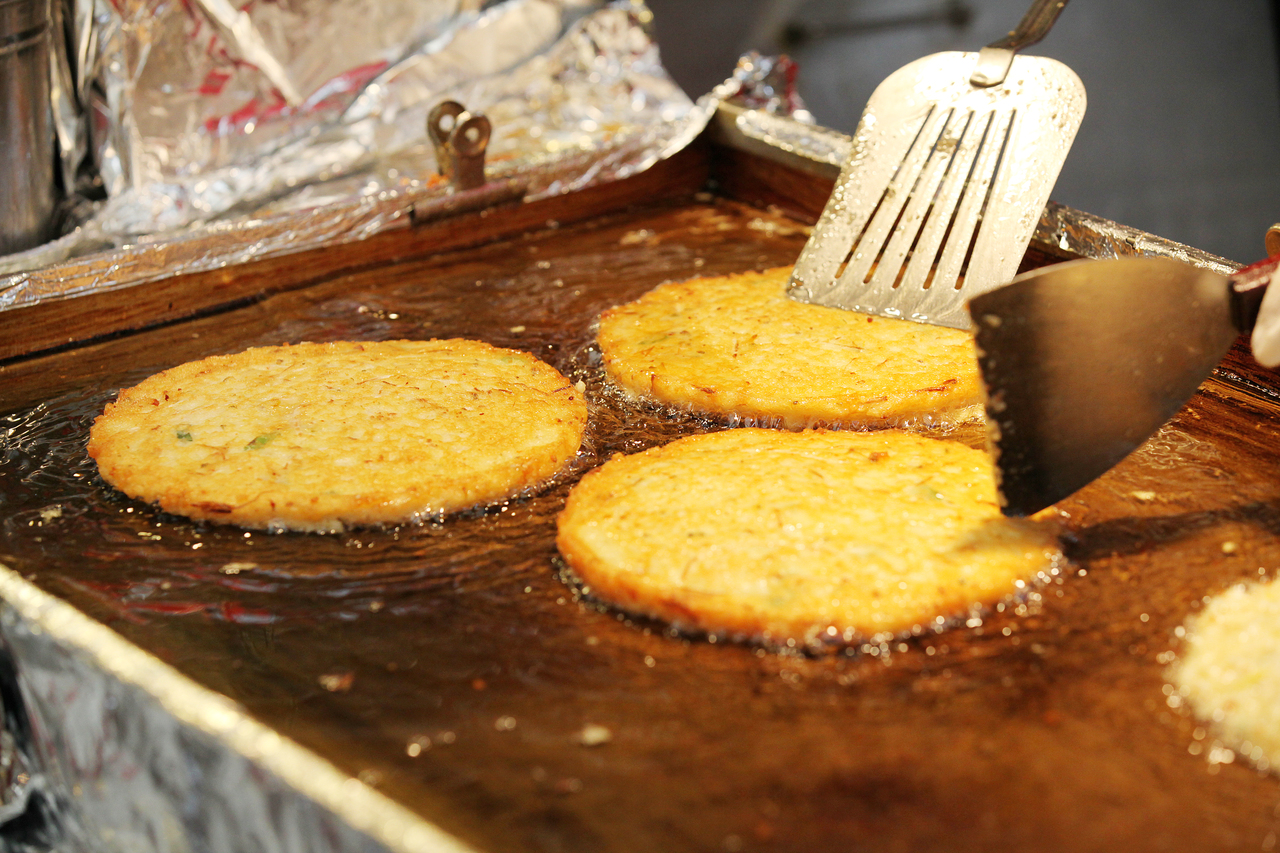
Bindaetteok — mung-bean pancakes, fried to order at Gwangjang Market (open since 1905). Prices and the market's stalls are in our Gwangjang Market guide.
Jangchung-dong jokbal — braised pig's trotters. The alley dates from about 1970 and is on Seoul's Future Heritage list; it is said to have started with grandmothers who came south from the north.
| Restaurant (since) | Why it matters | Price · hours |
|---|---|---|
| Hadongkwan, Myeongdong (1939) | Clear beef-and-rice soup (gomtang) | Mon–Sat 07:00–16:00, closed Sun (Michelin Guide) |
| Wooraeok, Jung-gu (1946) | Pyongyang-style cold buckwheat noodles; a Seoul Future Heritage restaurant | Naengmyeon ₩18,000 (May 2026 press) |
| Myeongdong Kyoja (1966) | Kalguksu noodle soup and dumplings | Daily 10:30–21:00 (Michelin Guide, Oct 2026) |
Founding years from Seoul's Future Heritage list and the Michelin Guide. Hours change; check Naver Map on the day.
Stars from Seoul
Many Korean stars were born in Seoul. This table gives the city or district each one comes from, as Korean magazine profiles report it.
| Name | Known for | Seoul link |
|---|---|---|
| IU | Singer and actor (My Mister, Hotel del Luna) | Born in Seoul (1993); in 2022 she became the first Korean female solo singer to play Seoul Olympic Stadium |
| Hyun Bin | Actor (Crash Landing on You, My Name Is Kim Sam-soon) | Born in Seoul (1982); the Namsan stairs from Kim Sam-soon became known as the "Samsoon stairs" |
| Jun Ji-hyun | Actor (My Love from the Star, My Sassy Girl) | Born in Seoul (1981) |
| Kim Go-eun | Actor (Goblin, Exhuma) | Born in Seoul; spent about ten years of her childhood in Beijing |
| Jang Won-young | IVE | Born in Yongsan-gu (2004) |
| Suho · Sehun | EXO | Both born in Seoul; Sehun in Jungnang-gu |
| RM | BTS leader | Born in Dongjak-gu, grew up in Ilsan just outside the city; the only BTS member born in Seoul |
On screen: shows, films and K-pop
| Show (episode, date) | Where | What happened |
|---|---|---|
| Running Man, ep. 6 (15 Aug 2010) | N Seoul Tower, Namsan | "Running Man takes over Seoul Tower", with guests including Kim Yuna |
| Infinite Challenge, "Mudo Tour" (14 Nov 2015) | Deoksugung (inside Seokjojeon), Namsangol Hanok Village, Tongin Market | The cast plan tours for foreign visitors |
| 2 Days & 1 Night, season 1 (5 Feb 2012) | Gyeongbokgung | A palace history quiz with Professor Yoo Hong-joon |
| Hangout with Yoo (23 May 2026) | Gyeongbokgung and Naksan Park | Yoo Jae-suk carries Naver Street View camera gear through the palace before opening time |
| Title (year) | Where | The story, in a line |
|---|---|---|
| Parasite (2019) | Ahyeon-dong stairs and supermarket (Mapo-gu), Jahamun Tunnel stairs (Jongno-gu), Noryangjin; Seoul runs an official course | A poor family works its way into a rich family's house |
| The Host (2006) | Yeouido Hangang Park, Wonhyo Bridge; the Yeouido monster sculpture was removed in June 2024 | A creature from the Han River snatches a girl |
| Squid Game (2021) | Ssangmun-dong (Dobong-gu), Yangjae Citizen's Forest Station, Sangbong Terminal | Players in debt are lured into deadly children's games |
| Itaewon Class (2020) | Noksapyeong overpass, Gyeongnidan-gil | A young man opens a pub in Itaewon to take on a food giant |
| My Love from the Star (2013–14) | N Seoul Tower, a Han River cruise | An alien who has lived on Earth since 1609 falls for an actress |
| KPop Demon Hunters (2025) | Naksan Park, N Seoul Tower, Jamsil, the Han River (the stadium under the tower is invented) | An idol group secretly hunts demons |
| Event · place | Where | What to know |
|---|---|---|
| BTS comeback show (21 Mar 2026) | Gwanghwamun Square | The first full-group show in about four years, streamed live on Netflix, just before the Arirang world tour began in April |
| Gocheok Sky Dome | Guro-gu, Line 1 Guil Station | Up to about 25,000 for concerts; see our Melon Music Awards guide for getting in and out |
| KSPO Dome, Jamsil | Olympic Park and Jamsil, Songpa-gu | The other big concert halls |
| HYBE INSIGHT | Yongsan | Closed after its last day on 15 January 2023, with no reopening announced |
For couples and families
| Place | Why it works for a date | Best time · fee |
|---|---|---|
| N Seoul Tower | The padlock railings and the city at night | After dark · observatory adult ₩29,000 (Oct 2026); the Namsan paths are free |
| Han River cruise (Yeouido) | City lights from the water | Evening · ₩19,900–32,900 by cruise; may be cancelled in a cold-wave alert |
| Seoul Sky, Lotte World Tower | A glass-floored deck on floors 117–123 | Sunset · about ₩27,000–33,000 (sources differ; check the official site) |
| Ikseon-dong | Narrow hanok lanes full of cafés, in a neighbourhood where people live | Afternoon · free (Jongno 3-ga Station Exit 6) |
| Seoullo 7017 | An old overpass by Seoul Station turned into a garden walk | Any time, open 24 hours · free |
| Place | Why kids like it | Hours · adult / child |
|---|---|---|
| Lotte World Adventure, Jamsil | A mostly indoor theme park, good on a cold or rainy day | Sun–Thu 10:00–21:00, Fri–Sat to 22:00 · ₩67,000 / ₩50,000 (since 1 Apr 2026) |
| COEX Aquarium | About 40,000 animals, all indoors | 10:00–20:00 · ₩35,000 / ₩31,000 |
| Children's Museum, National Museum of Korea | Hands-on rooms | Five 80-minute sessions a day · free, online booking only |
| Seoul Children's Grand Park, Gwangjin-gu | A free zoo and big lawns | Park 05:00–22:00, zoo 10:00–17:00 · free (rides paid) |
| Seoul Grand Park (in Gwacheon, just outside Seoul) | A large zoo, cheap | Nov–Feb 09:00–17:00 · ₩5,000 / ₩2,000 |
Seoul in winter
Seoul's winter is cold and dry: the KMA's January average is −1.9 °C, and normal first snow falls around 20 November. The Seoul Winter Festival runs from 11 December 2026 to 31 January 2027 on the official festival site: lanterns on the Cheonggyecheon stream for the whole run, a market on Gwanghwamun Square from 11 December to 10 January, and the Seoul Plaza ice rink from 18 December to 9 February. The festival posted a notice on 5 November about a change to the opening ceremony, so check the official site before you plan around the first night. Our Seoul winter festival and lantern guide has the routes, the rink and the New Year bell.
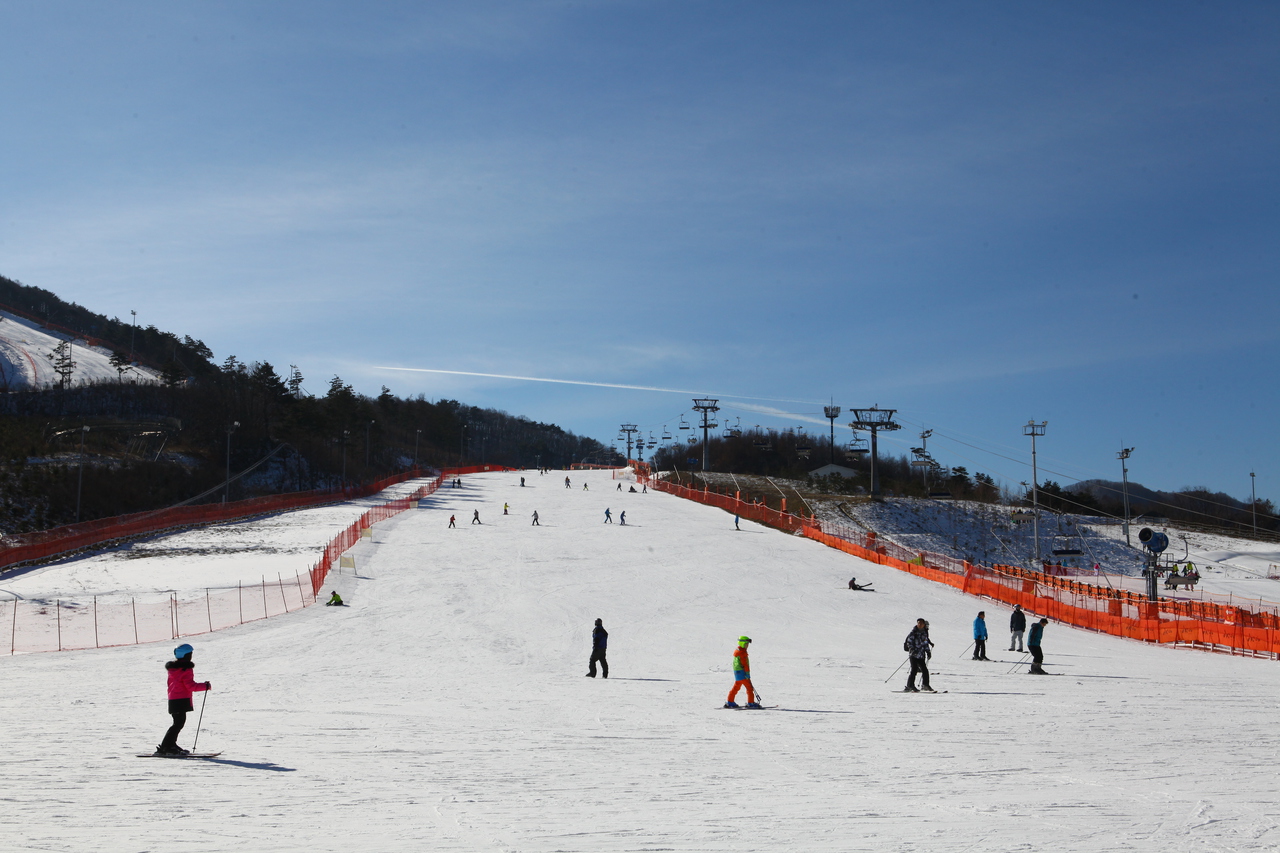
For Christmas, the department-store light shows in Myeongdong, the cathedral and the Gwanghwamun market are in our Christmas in Seoul guide. For snow sports, ski resorts are between under an hour and about three hours from the city; our Korea ski resorts guide compares them, with shuttle buses from Seoul. The biggest resorts are in Gangwon, east of Seoul; our Gangwon travel guide has the trains and where to stay there. For December weather, festival dates and holidays on one page, see our Korea in December guide.
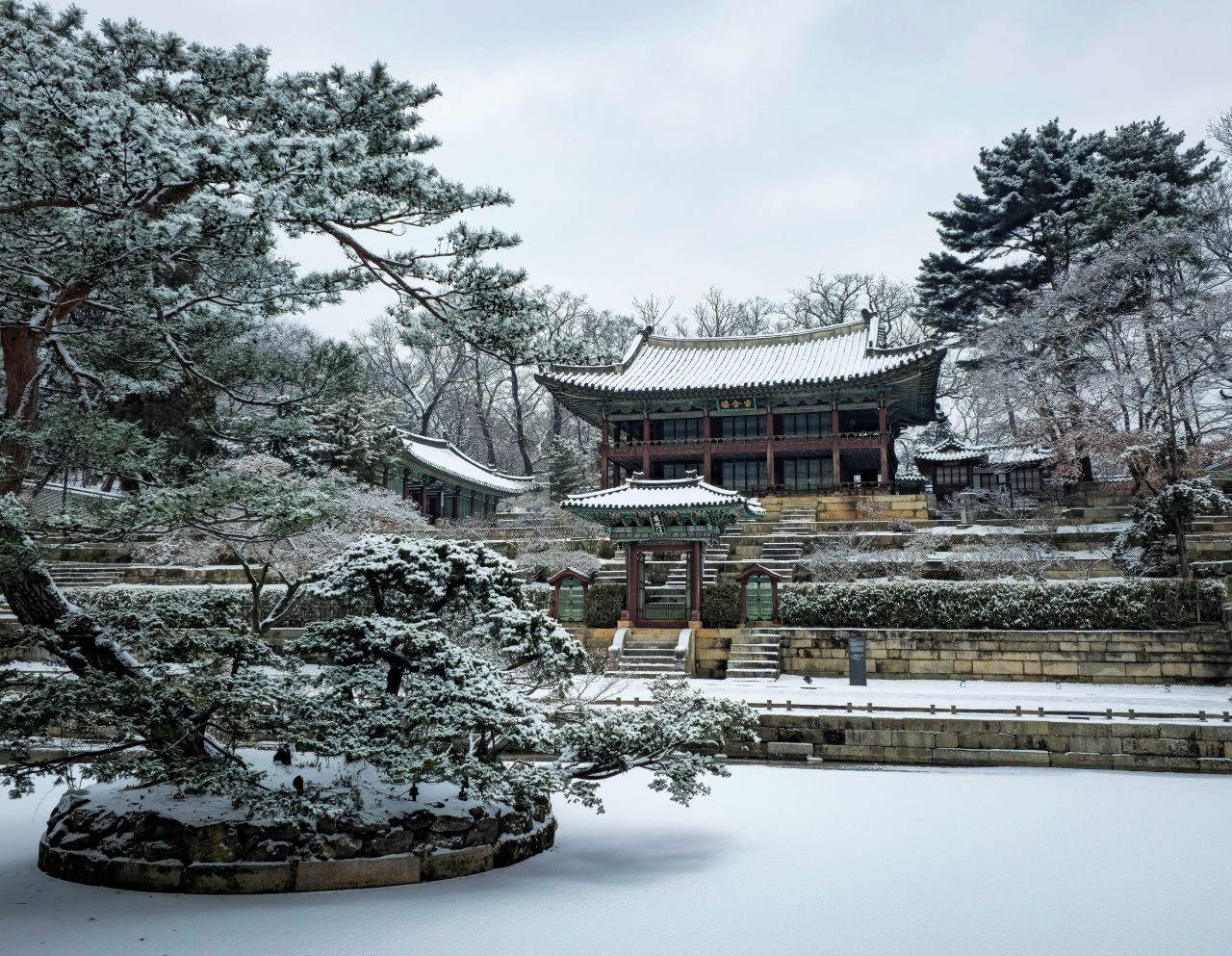
The Banpo Bridge rainbow fountain does not run in winter (its season is 15 March to October), and the palaces close earlier: Jongmyo, for example, is open 09:00–17:30 from November to January.
Where Korea remembers its friends
Two places in Seoul remember foreigners who came to help: the War Memorial of Korea, which remembers the 22 nations that took part in the Korean War, and the Yanghwajin cemetery, where missionaries, teachers and doctors who served Korea are buried.
Read our guides to the Yanghwajin Foreign Missionary Cemetery and the War Memorial (above).
Districts
What to see
Gyeongbokgung and Changdeokgung, Jongmyo, Ikseon-dong, Gwangjang Market, the Naksan section of the city wall, and the winter lanterns from Cheonggye Plaza.

What to see
Myeongdong's shops and cathedral, N Seoul Tower and the Namsan paths, Deoksugung and the Jeongdong stone-wall road, Namsangol Hanok Village. Our Deoksugung and Jeongdong night walk and Korea Grand Sale guide are here too.

What to see
The War Memorial and its UN monuments, the National Museum of Korea and its Children's Museum, Yongsan Park, Itaewon and Gyeongnidan-gil. For Yongsan Station's KTX trains and hotels by the station or in Itaewon, see our Yongsan guide.

What to see
Hongdae's streets and buskers, Mangwon Market and Mangwon Hangang Park, the Yanghwajin Foreign Missionary Cemetery and Jeoldusan Martyrs' Shrine.
All 25 districts
North of the Han: Dobong, Dongdaemun, Eunpyeong, Gangbuk, Gwangjin, Jongno, Jung, Jungnang, Mapo, Nowon, Seodaemun, Seongbuk, Seongdong, Yongsan. South of the Han: Dongjak, Gangdong, Gangnam, Gangseo, Geumcheon, Guro, Gwanak, Seocho, Songpa, Yangcheon, Yeongdeungpo. City Hall is in Jung-gu. For concerts at the Gocheok Sky Dome in Guro-gu, see the K-pop tab above.
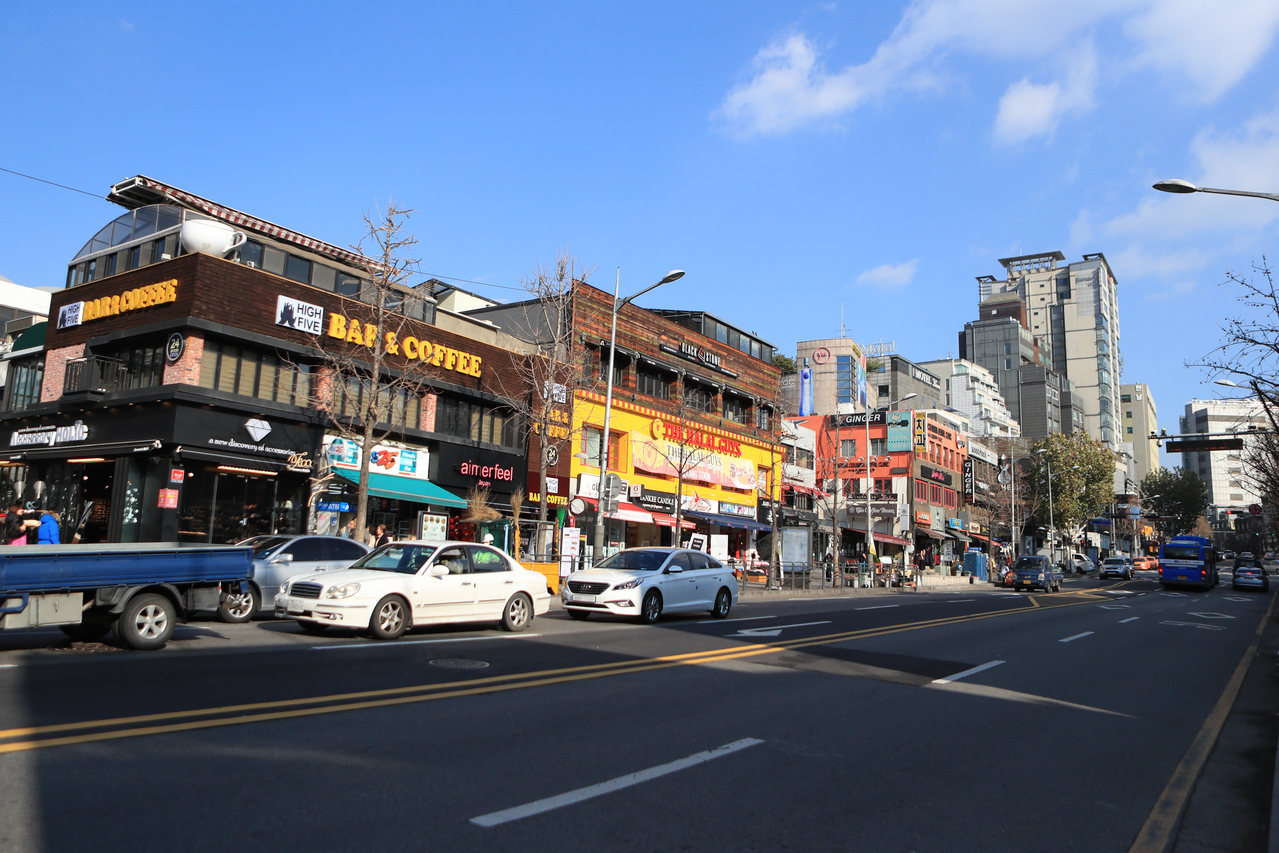
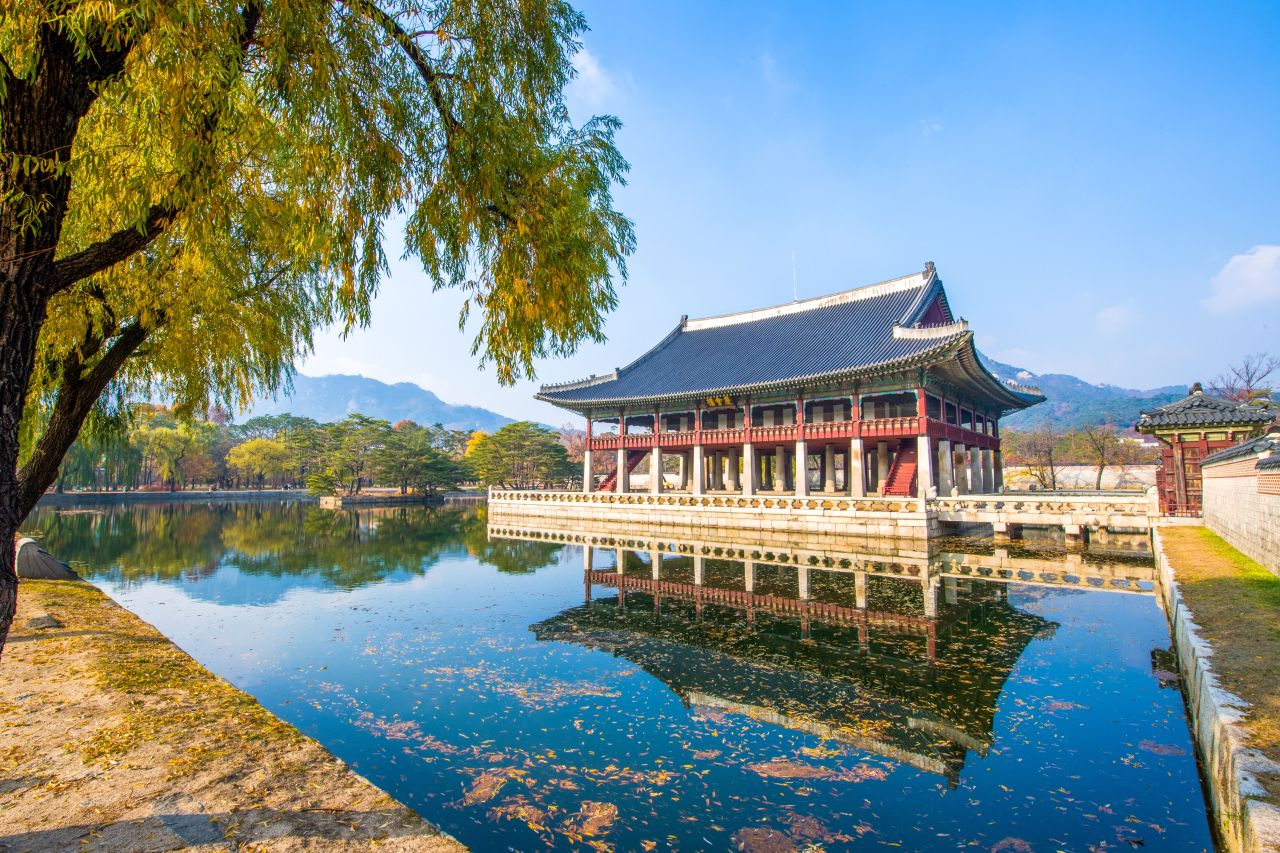
Photos: Korea Tourism Organization photo gallery — Gyeonghoeru by Live Studio (2020), Myeongdong by Lee Beom-su (May 2023), War Memorial by Lee Beom-su (May 2018); Yanghwajin from Korea Tourism Organization (Visit Korea), date not given.
Where to stay: three bases
Many English guides to Seoul start with the same three neighbourhoods, and each suits a different trip. The hotel links in this section are affiliate links: if you book through them, Korea Routes may earn a commission, at no extra cost to you.
Myeongdong (Jung-gu) suits a first visit and shopping. Myeongdong Station on Line 4 is two stops from Seoul Station, Namsan is a walk away, and shops in the district must display their prices (since October 2023). It is busy late into the night. About 100 m from Myeongdong Station is L7 Myeongdong.
Hongdae (Mapo-gu) suits nightlife and an easy airport run. Hongik University Station has Line 2, the Gyeongui–Jungang Line and the AREX all-stop train to Incheon Airport (the express does not stop here). It is one of Seoul's busiest crowd spots on holiday nights. L7 Hongdae is by Exit 1. Which exit to use, airport fares and what to do by night are in our Hongdae guide.
Insadong and Bukchon (Jongno-gu) suit palaces and hanok. From Anguk Station on Line 3, Changdeokgung is about five minutes on foot and Gyeongbokgung a little further. In Bukchon's red zone (Bukchon-ro 11-gil), visitors are not allowed from 17:00 to 10:00, with a ₩100,000 fine since March 2025; press reports say guests staying there overnight are exempt. Nine Tree by Parnas Seoul Insadong is on Insadong-gil.
Airbnb has said that, since the end of 2025, it removes Korean listings without an accommodation licence, so check the licence line on a listing before you book.
Getting here and around
From Incheon Airport: the AREX express runs non-stop to Seoul Station (₩13,000, about 43 min from Terminal 1, 51 min from Terminal 2). The all-stop train costs ₩4,750 from Terminal 1 with a transit card and also stops at Hongik University. Airport limousine buses cost about ₩17,000 on the one operator route checked (October 2026); fares vary by route.
From Busan: since KTX and SRT were merged on 1 September 2026, both are booked in one app, Korail+. The fastest KTX takes 2 h 18 min, and the standard fare from Seoul to Busan fell from ₩59,800 to ₩54,400 (press figure; check the fare when you book).
Around the city: buy a T-money card, or a tourist Climate Pass for unlimited rides (1 day ₩5,000 up to 7 days ₩20,000, plus the card). Cards, taxis and apps are explained in our Seoul transport guide.
Watch out
Maps: Google Maps still does not give walking or driving directions in Korea; transit directions work. Use Naver Map or KakaoMap.
Taxis from the airport: use the official taxi stands. Refusing a fare is illegal in Seoul; report it to 120 with the car number.
Bukchon: red-zone visiting hours are 10:00–17:00 only.
Crowds: on peak nights (Halloween, Christmas, New Year) Seoul monitors crowd density in places like Itaewon and Hongdae; follow staff directions.
K-ETA: travellers from 22 countries and territories are exempt until 31 December 2026; nothing has been announced for 2027, so check k-eta.go.kr if you arrive in January or later.
Outdated tips you will still find online
| You may read | Correct in 2026 | Source |
|---|---|---|
| Buy the 30-day Climate Card | The 30-day card ended; short tourist passes continue as the Climate Pass (from 1 Sep 2026) | Seoul City |
| KTX Seoul–Busan ₩59,800, SRT is a separate app | ₩54,400, and both are booked in Korail+ since 1 Sep 2026 | Korea.kr, Kyunghyang |
| Lotte World ₩62,000–64,000 | Adult day ticket ₩67,000 since 1 Apr 2026 | SBS Biz, CEO Score Daily |
| Bukchon is open all day | Red zone closed to visitors 17:00–10:00 | Seoul City |
| Watch the rainbow fountain any night | It runs only from 15 March to October | Hangang Park HQ |
| Visit HYBE INSIGHT | Closed since January 2023 | HYBE |
Quick answers
How many days in Seoul is enough?
Three to four days: one for the palaces and Bukchon, one for Myeongdong and Namsan, one for Hongdae and the Han River, and a fourth for a market, a museum or a day trip.
Is Seoul Tower free?
The Namsan paths and the tower's grounds are free. The N Seoul Tower observatory costs ₩29,000 for adults and ₩23,000 for children (October 2026).
What is Seoul like in winter?
Cold and dry: January averages −1.9 °C, and the first snow normally falls around 20 November. The official site lists the Seoul Winter Festival from 11 December 2026 to 31 January 2027; check winta.co.kr, as dates may change.
FAQ
Where should I stay in Seoul the first time?
Myeongdong for shopping and an easy link to Seoul Station, Hongdae for nightlife and the airport train, Insadong for the palaces on foot.
Can I use Google Maps in Seoul?
For subway and bus routes, yes. For walking and driving directions, use Naver Map or KakaoMap.
Can I see Seoul and Busan in one trip?
Yes. The KTX takes about 2 h 20 min to 3 h, so a week split four days in Seoul and three in Busan works well. Our Busan guide covers the other half.
Sources (checked 10 November 2026)
Ministry of the Interior and Safety resident registration statistics (population, October 2026); Encyclopedia of Korean Culture (area, districts, history, bindaetteok); National Archives of Korea (Han River bridges, wartime Seoul, Government-General building); Korea Meteorological Administration (climate normals, first snow, cherry blossoms) and korea.kr; Seoul Media Hub and the royal palaces site (closed days, free Wednesdays); Seoul Metropolitan Government and Seoul Media Hub (Bukchon special management area, Climate Pass, crowd safety, taxis, Future Heritage restaurants, filming routes, Cheonggyecheon); Seoul Winter Festival official site winta.co.kr (winter dates); Hangang Park Headquarters (rainbow fountain); AREX and airport limousine operators; Korea.kr and Kyunghyang Shinmun (KTX–SRT merger and fares); Incheon Airport (taxi stands); Michelin Guide and Herald (restaurant hours and price); Marie Claire Korea and The Fact (stars' birthplaces); SBS, Tenasia, Newsis, AP and Seoul Shinmun (shows, films and concerts); Korea Tourism Organization data, N Seoul Tower, Lotte World, COEX Aquarium, National Museum of Korea and Seoul Facilities Corporation (couples and families); SBS Biz and CEO Score Daily (Lotte World price); Airbnb newsroom; EY and JAL notices on K-ETA; Korea Times and Kyunghyang English edition (crowds, Hongdae); a KTX timetable aggregator (journey times). Photos: Korea Tourism Organization photo gallery and Visit Korea; none were taken in 2026.


Comments
Post a Comment